Start with intelligibility
A planetarium soundtrack can move from a quiet spoken explanation to a broad musical passage. If narration is difficult to follow, additional loudspeakers will not automatically solve the problem. Begin by identifying the content, audience and expected listening positions, then develop the acoustic and loudspeaker approach together.
A curved shell can produce complicated reflections. The behaviour depends on its geometry, construction and relationship to the room behind it. Do not assume that a visually soft interior is acoustically controlled, or that every dome creates the same problem. An acoustic specialist should evaluate the proposed assembly and establish project-specific criteria rather than transferring targets from an unrelated cinema.
Coordinate the screen with the speakers
A perforated projection screen may allow loudspeakers and treatment behind the visible surface, but the complete assembly needs evaluation. Perforation pattern, backing materials, spacing and installation details all matter. A surface suitable for one image system should not be assumed acoustically transparent across every relevant condition.
Where loudspeakers remain in the room, their positions must coexist with sightlines and projection paths. Concealment is useful only if it does not compromise access or sound. Ask the designer to show coverage across the actual seating field, including off-centre positions. The objective is a coherent listening experience for the audience, not a symmetrical drawing that merely looks resolved.
Keep machine noise out of the story
Projectors, media servers and ventilation equipment introduce sound even when the programme is silent. Locate noisy equipment deliberately and assess the route by which noise can reach the audience. Moving a rack outside the room helps only if the connecting openings, structure and cooling strategy are also coordinated.
A sealed decorative cabinet is not a noise-control strategy if it causes equipment to overheat. Thermal management and acoustic isolation need to be designed together. Request operating conditions for the proposed equipment, then discuss enclosure ventilation, duct routes and maintenance with the relevant specialists. Quiet operation should be checked during representative system use, not only with every device idling.
Treat the room and protect the home
Acoustic treatment changes sound within the room; isolation limits transmission between spaces. These are related but distinct tasks. Absorptive panels cannot by themselves prevent low-frequency energy from reaching a bedroom through the building structure. Likewise, an isolated enclosure can still have poor internal listening conditions.
Identify sensitive neighbouring spaces early. Consider doors, shared floors, ducts and service penetrations rather than focusing only on wall finishes. The residence's construction and local requirements determine the appropriate solution. Any proposed acoustic performance should be supported by a defined design and a suitable verification process, not inferred from the thickness of upholstery.
Integration note: review the quietest programme moment
During commissioning, include a quiet spoken passage and a deliberate pause with the equipment and ventilation operating normally. These moments help reveal distractions that a loud demonstration can conceal. Record observations from more than one seat.
Make transitions part of the composition
The sensory experience starts before the show. Guests need to find seats, place belongings and understand how to leave. Coordinate entry lighting, dimming sequences and the first audio cue so that darkness feels intentional rather than disorienting. Essential safety provisions must remain effective and comply with the applicable requirements.
A dome-wide moving image may be uncomfortable for some viewers. Provide a simple way to pause, reduce audio and restore an orientation light. Explain that option before a session. Avoid treating discomfort as a user failing or assuming that a gentle soundtrack makes all visual motion comfortable.
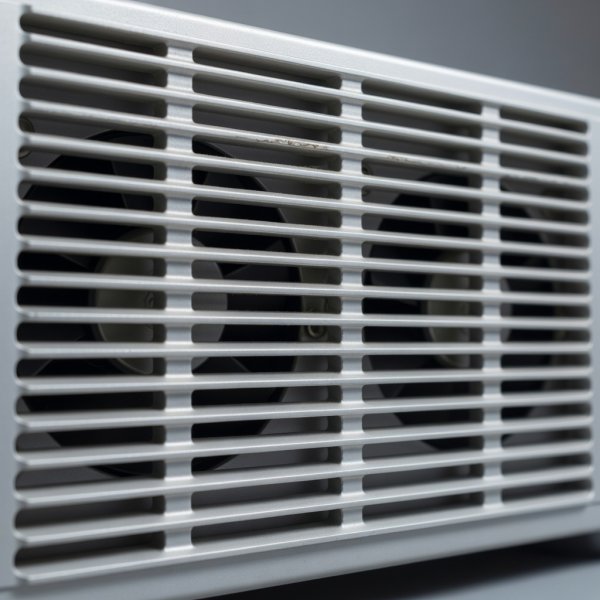
Silence has a service requirement
Cooling openings, fans and equipment enclosures belong in the listening discussion. Maintainability and quiet operation must be resolved together.
Choose restraint over sensory accumulation
Decorative stars, scent, vibration and theatrical lighting may seem like obvious additions to a premium room. Each adds another stimulus and another system to maintain. Begin with the image, intelligible sound and physical comfort. Introduce an extra effect only when it serves a clear experience and can be disabled independently.
Finish with a documented set of listening scenes and user controls. Record who may adjust calibration, what the normal level settings are and how a guest restores a comfortable environment. The most accomplished sensory integration often feels effortless precisely because the technical choices have been made carefully and kept out of the foreground.